Beyond Paper Chaos: How Scanning Apps Gave Me Back My Desk, My Time, and My Calm
Ever opened a drawer overflowing with receipts, bills, and old notes and felt that quiet panic? I have. For years, I thought clutter was just part of adult life—until I discovered how simple document scanning tools could transform not just my desk, but my mindset. These aren’t futuristic gadgets; they’re everyday helpers that quietly organize your world. Let me show you how one small tech habit made my home office clearer, my family’s schedules smoother, and my days feel lighter.
The Pile That Started It All: When Paperwork Became Personal
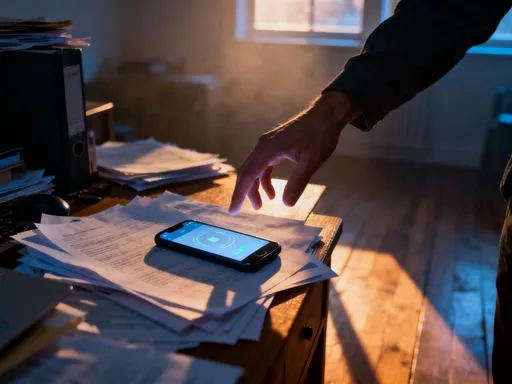
I remember standing in my home office one rainy Tuesday, holding a half-empty coffee mug, staring at a mountain of paper on my desk. There were school permission slips buried under utility bills, expired coupons, and a stack of receipts I’d been meaning to sort for three months. My daughter walked in, asking for her field trip form, and I froze. I knew it was here somewhere—but where? I started shuffling through folders, pulling out envelopes, muttering promises I couldn’t keep. She waited. I panicked. And then I apologized—again—for not being more on top of things.
That moment wasn’t just about a missing form. It was about feeling like I was failing—failing my family, failing myself. I wasn’t just disorganized; I was overwhelmed. The weight of all that paper wasn’t physical—it was emotional. Every unopened envelope felt like a tiny debt I hadn’t paid. Every stack on my desk whispered, You’re behind. You’re not doing enough. And the worst part? I thought this was normal. I believed that as a mom, a wife, a homeowner, this chaos was just part of the job.
But then I started noticing how it spilled into other parts of my life. I’d cancel a simple return at the store because I couldn’t find the receipt. I’d forget to submit a form on time and get charged a late fee. I’d promise my husband I’d handle the car’s warranty claim—then lose the paperwork. The stress wasn’t just mine. It affected my family too. My kids learned to ask twice. My partner learned to double-check. And I? I learned to live with a low hum of anxiety every time I opened that drawer.
First Try, False Start: Why I Almost Gave Up on Tech Solutions
So I decided to fix it. I went online and searched for “best scanning apps.” Within minutes, I’d downloaded three different ones, each promising to be the magic bullet. One had a sleek interface but froze every time I tried to scan more than two pages. Another wanted me to pay a monthly subscription just to save files in color. A third looked great in the demo but required me to sign up for five different accounts before I could even start.
I spent an entire weekend trying to make it work. I scanned everything—bills, manuals, my daughter’s art projects—only to realize I couldn’t find any of it later. The folders were confusing, the search function useless, and the whole experience felt more stressful than the paper pile I was trying to escape. I remember sitting on the couch, phone in hand, thinking, This is supposed to make life easier. Why does it feel harder?
I almost gave up. I told my sister, “Maybe I’m just not tech-savvy enough. Maybe this isn’t for people like me.” But she looked at me and said, “What if the problem isn’t you? What if it’s the tool?” That question stuck with me. I started wondering—what if I didn’t need something flashy? What if I just needed something simple? Something that worked the way I lived?
That’s when I shifted my mindset. Instead of looking for the “best” app, I started looking for the one that fit my life. I didn’t need AI-powered analytics or blockchain storage. I needed something that let me take a picture of a receipt and find it six months later without thinking twice. I wanted clarity, not complexity. And that’s exactly what I found.
The App That Actually Worked: Simplicity Was the Breakthrough
The app I eventually landed on wasn’t the most popular, and it definitely wasn’t the fanciest. But it worked—effortlessly. The first time I used it, I scanned a single receipt from the grocery store. I held my phone over it, tapped the screen, and in two seconds, it snapped a clean, bright image. No blurriness. No shadows. The app automatically cropped the edges, straightened the angle, and saved it as a PDF. I couldn’t believe how easy it was.
But the real game-changer was something called OCR—optical character recognition. I know, it sounds technical. But here’s how I think of it: it’s like teaching your phone to read. Once a document is scanned with OCR, you can search for words inside it. So if I need to find that receipt for the blender I bought last winter, I don’t have to flip through dozens of files. I just type “blender” into the search bar, and there it is. It’s like magic, but real.
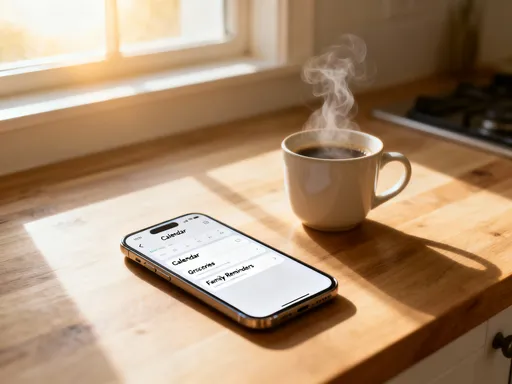
I started small—just one or two scans a day. A utility bill. A school notice. A warranty card. I created folders on my phone: “Home,” “Medical,” “School,” “Taxes.” Each time I got a new paper, I asked myself: does this need to be kept? If yes, I scanned it. If no, I recycled it. No decisions. No stress. Just a simple rule that made all the difference.
The best part? Everything synced automatically to the cloud. That meant I could access my documents from any device—my phone, my tablet, even my husband’s laptop. I didn’t have to worry about losing my phone or deleting a file by accident. My records were safe, organized, and always within reach. And the most surprising thing? I started to enjoy it. There was a quiet satisfaction in turning chaos into order, one scan at a time.
From Receipts to Peace: How Scanning Tamed the Daily Grind
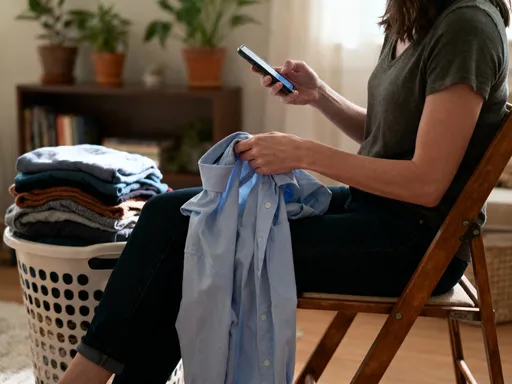
You don’t realize how much mental energy you waste searching for things until you stop having to search. One morning, my husband called from the electronics store. “They’re offering a price match, but I need the original receipt for the TV.” I was folding laundry, but I didn’t panic. I pulled out my phone, opened the “Home” folder, typed “TV,” and found the receipt in under ten seconds. I sent it to him with a smile. Later, he texted back: “You’re a lifesaver.”
Little moments like that started adding up. When my daughter needed her vaccination record for camp, I pulled it up during the registration call. No scrambling. No guilt. Just calm, confident access to what mattered. When we filed our taxes, I had every deduction ready—no last-minute trips to the bank, no frantic calls to old providers. And when a medical issue came up, I had all the forms, insurance details, and doctor’s notes in one place. No more “Let me call you back after I find that letter.”
I remember one evening, my husband was helping our son with a school project. He needed a permission slip from last year’s science fair. He turned to me and said, “Wait, where’s that form?” I didn’t sigh. I didn’t get up. I just said, “Check the ‘School’ folder on your phone. Try ‘science’ in the search bar.” He did. Found it instantly. Looked at me and said, “This is kind of amazing, isn’t it?” And it was.
These weren’t grand victories. No trophies, no applause. But they were victories all the same. Each time I found something fast, I felt a little more in control. Each time I avoided a late fee or a missed deadline, I felt a little lighter. And slowly, that constant hum of anxiety—the one I’d lived with for years—started to fade.
Family Files, One Folder: How Scanning Brought Order to Our Household
What started as a personal project quickly became a family habit. I showed my husband how to use the app, and within a week, he was scanning his own documents—car maintenance records, investment statements, even old concert tickets he wanted to keep. We created shared folders in the cloud, so both of us could access important files. I set up permissions so only we could see them. Privacy was important, but so was teamwork.
We made a simple rule: if it’s important, it gets scanned. School forms go into “Kids.” Medical records go into “Health.” Travel documents—passports, itineraries, hotel confirmations—go into “Trips.” Before our last vacation, I scanned everyone’s ID, our booking confirmations, and the rental agreement. I saved them to a folder labeled “Italy 2024,” and shared it with my husband. No more printing six copies. No more worrying about losing something at the airport. Just peace of mind.
Even the kids got involved. My daughter loves taking pictures, so I let her scan her art contest entries and certificates. She calls it “saving my trophies.” My son scans his sports permission slips and tournament schedules. They don’t see it as chores—they see it as part of being organized, just like brushing their teeth or packing their backpacks.
And here’s the unexpected gift: it brought us closer. When my husband and I sit down to plan the budget, we both have access to the same records. No more “I thought you had that bill.” No more duplicate payments. We’re on the same page—literally. Scanning didn’t just organize our papers. It organized our communication. It became a quiet act of care—me saying, “I’ve got this,” without having to say it at all.
The Habit That Stuck: Making Scanning Part of My Daily Rhythm
The truth is, none of this happened overnight. The app didn’t fix everything the first day. But consistency did. I started with just five minutes each evening—after dinner, before the TV went on. I’d sit at the kitchen table with a small stack of that day’s mail and go through it one piece at a time. Trash went in the bin. Action items went on my to-do list. Keepable papers got scanned.
I didn’t aim for perfection. Some nights, I skipped it. Some weeks, I fell behind. But I always came back. I stopped thinking of it as a chore and started seeing it as self-care. I call it “digital flossing”—not exciting, not glamorous, but essential. You don’t floss because it’s fun. You floss because it keeps your teeth healthy. Scanning is the same. It’s a small habit that prevents big problems down the road.
I also learned to celebrate small wins. The first time I found a document in under ten seconds, I smiled. The first time I avoided a late fee, I did a little dance. The first time my daughter said, “Mom, can you scan my report card?” I felt proud. These moments kept me going. They reminded me that I wasn’t just organizing paper—I was building a calmer, clearer life.
And the best part? It didn’t take over my life. It fit into it. I didn’t need special equipment. No scanner, no printer, no extra gadgets. Just my phone and a few minutes a day. It was low-effort, high-reward—and that’s exactly why it stuck.
More Than Organized: How Clearing Paper Cleared My Mind
Now, when I walk into my home office, I see space. My desk is clear. My drawers are tidy. My mind feels lighter. I don’t dread opening the mail. I don’t panic when someone asks for a document. I know where things are. And more importantly, I know I can handle whatever comes my way.
But the real change isn’t in my office. It’s in how I show up in my life. I’m more present with my kids. I’m more patient with my husband. I have more mental energy for the things that matter—planning family dinners, reading before bed, even starting that garden I’ve talked about for years. Scanning didn’t just clear my desk. It cleared my mind.
I used to think technology was cold, impersonal, something that pulled us away from real life. But this experience taught me something different. When used the right way, tech can support us. It can give us back time, reduce stress, and create space for connection. It’s not about replacing human effort. It’s about making it easier.
So if you’re standing in front of a pile of paper, feeling that familiar wave of overwhelm, I want you to know: it doesn’t have to stay that way. You don’t have to be a tech expert. You don’t need the fanciest tools. You just need one small step. Try scanning one receipt today. Save it in a folder. See how it feels to know it’s safe, searchable, and out of your way. That tiny act might be the beginning of something bigger—not just an organized desk, but a calmer, more confident you.