I Didn’t Realize How Much We Weren’t Saying Until the Alarm Spoke for Us
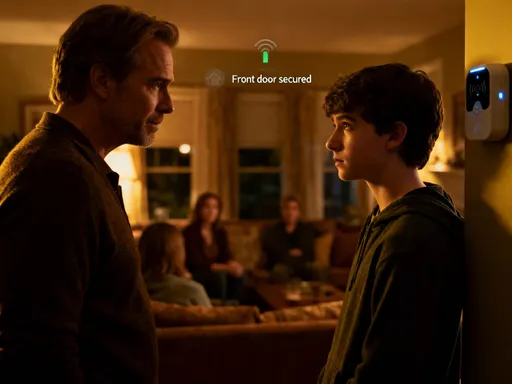
I didn’t realize how much we weren’t saying until the alarm spoke for us. It was 8:47 PM on a rainy Thursday when my youngest, Lily, was supposed to be home from soccer practice. The clock ticked past 9:00, then 9:15. My phone stayed silent. No text, no call. I paced the kitchen, rehearsing calm tones I wouldn’t actually use when she finally walked in. Was she okay? Was the coach late? Did she forget to charge her phone again? When the front door finally clicked open, I exhaled like I’d been holding my breath for hours. But instead of relief, I felt something sharper—frustration, guilt, and a quiet fear that maybe we weren’t as connected as I thought. We lived under the same roof, shared meals, laughed at the same shows—but when it came to the little things that mattered most, like knowing each other was safe, we were barely speaking.
I thought we were on the same page—until we weren’t
That night with Lily wasn’t the first time I’d worried. But it was the first time I realized how fragile our family’s communication really was. We had routines, sure—lights out by ten, phones charged, doors locked. But no real system for checking in. No shared language for safety. I assumed Lily knew to text if she was late. She assumed I’d understand if she didn’t. No one was wrong, exactly. But no one was truly heard, either.
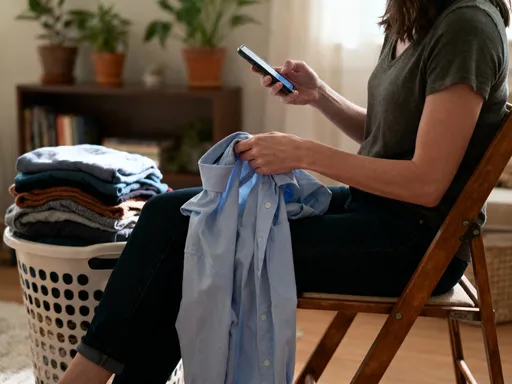
It hit me later, while folding laundry in the quiet of the living room, that we’d built our home on assumptions. We trusted each other—but trust alone isn’t a plan. What if something had gone wrong? What if she’d been hurt, or lost, or just scared and didn’t know how to reach us? We had smoke detectors, a fire extinguisher under the sink, even a first-aid kit with bandages we never used. But when it came to emotional safety—the kind that comes from feeling seen and known—we were unprepared.
That moment changed how I saw everything. I began to notice the small gaps: my husband forgetting to lock the back door, my older son leaving for a friend’s house without saying where, even me—rushing out in the morning, wondering if I’d turned off the oven. These weren’t signs of neglect. They were signs of a family moving fast, distracted by life, and missing a simple truth: feeling safe isn’t just about being physically protected. It’s about knowing someone is paying attention.
The quiet crisis in family communication
What happened in our house isn’t unique. In fact, it’s surprisingly common. So many families operate on invisible rules—unspoken agreements that fall apart the moment life gets messy. “They know the drill.” “They’ll call if something’s wrong.” “We’re all responsible.” But kids forget. Schedules shift. Stress makes us quiet. And suddenly, the silence isn’t peaceful—it’s heavy with unasked questions.
I talked to a few other moms at school pickup, and the stories poured out. One woman told me her daughter missed the bus, walked home alone in the dark, and no one noticed for two hours. Another said her teen started skipping school, and she didn’t know until the attendance letter came. These weren’t cases of bad parenting. They were cases of good intentions without tools. We care deeply—but caring doesn’t always translate into clear communication.
The real crisis isn’t that our kids are unsafe. It’s that we’re all carrying quiet anxiety, like a background app draining our emotional battery. Parents worry in silence. Teens feel watched but not seen. Siblings assume the other one told Mom. And the result? Misunderstandings, tension, and a slow erosion of trust. We don’t argue about the big things. We fight about the small ones—because they’re the only way we know how to say, “I care.”
What if we didn’t have to rely on texts, memory, or guilt to stay connected? What if the tools we already use to protect our homes could also help us protect our relationships? That’s when I started looking beyond locks and cameras. I started looking for a way to close the gap—not with more rules, but with better connection.
When the alarm does more than ring—it speaks
I used to think of a security system as something that only mattered when something went wrong. It sat in the corner, silent, waiting to scream. But the systems available today are different. They’re not just alarms. They’re communicators. They don’t just detect danger—they help families talk.
Take two-way voice, for example. Our system has small cameras at the doors, and if someone rings the bell, I can answer from my phone—even if I’m in another state. But it’s not just for strangers. Last week, my son came home early from a study group. He forgot his key. Instead of banging on the door or waiting outside, he pressed the button. I was upstairs, but I heard him through the app. “Mom, it’s me. Let me in?” I unlocked the door from my phone and said, “Next time, text me first.” Simple. Calm. No yelling. No frustration. Just connection.
And it’s not just about who’s at the door. Custom alerts tell us when the garage opens, when the front door unlocks, even when the system is armed at night. These aren’t warnings—they’re updates. Like a quiet voice saying, “Lily just got home.” “Dad turned off the lights.” “The house is secure.” It’s not about surveillance. It’s about awareness. It’s the difference between guessing and knowing.
One night, Lily had a nightmare. She was eight. She crept downstairs and stood in front of the living room camera, sniffling. I saw the alert pop up—motion detected—and opened the app. She looked so small. I used the speaker and said, “Hey, sweetie. You okay?” She looked up, surprised. “I had a bad dream.” “Want me to come down?” She nodded. I didn’t need to shout. I didn’t need to search the house. I just knew. And in that moment, the system didn’t feel like technology. It felt like care.
“Did you lock the door?”—and other questions we’re tired of asking
How many times a day do you ask, “Did you lock the door?” Or “Is the oven off?” Or “Did you charge your phone?” These aren’t big questions. But they pile up. They live in the space between love and anxiety, and they wear us down. We don’t want to nag. But we can’t stop ourselves.
Our security system changed that. Now, when I leave for work, I get a notification: “Front door locked at 7:48 AM.” I don’t have to call my husband. I don’t have to text the kids. I just know. And when Lily forgets her backpack, and I need to go back, I check the app before I turn the car around. Is the door still unlocked? No? Then I’m safe to leave it.
These small confirmations do more than save time. They reduce stress. They replace doubt with trust. And they stop the cycle of passive-aggressive texts: “Just checking if you remembered…” or “Hope someone turned off the stove…” We used to joke that our family group chat was just a series of safety check-ins. Now, it’s back to being about life—photos from Grandma, funny memes, plans for weekend pancakes.
My husband noticed it too. “I don’t feel like you’re double-checking me all the time,” he said one evening. “It’s nice.” That surprised me. I hadn’t realized how much my worry came across as criticism. But with real-time updates, I don’t need to ask. I don’t need to hover. I can trust—because I can see.
Teaching teens to own their safety—without the nagging
Parenting a teenager is like trying to hold smoke. They want independence. They push back against rules. And safety talks? They often turn into arguments. “Why do you care where I am?” “I’m not a baby.” “You don’t trust me.” I’ve heard them all. So have most parents.
But here’s what I’ve learned: teens don’t hate safety. They hate being treated like they can’t handle it. Our security system gave us a new way to talk about responsibility—not through lectures, but through tools. We set up personal alerts for each kid. When they get home, they get a gentle push notification: “Don’t forget to arm the system.” No yelling. No reminders at the dinner table. Just a quiet nudge from their phone.
And because they can see the same app we do, they feel included, not monitored. My son even started arming the system before we did—just to show he could. “Look, Mom. House is secure,” he said, showing me his phone. Pride, not rebellion. That’s the shift.
We also use geofencing—when their phone gets close to home, the system sends a reminder to arm the alarm. It’s not perfect. Sometimes they ignore it. But most of the time, they don’t. And when they do it on their own, it’s not because we forced them. It’s because they feel part of the team. Safety becomes their choice, not our demand.
Calm in the chaos: peace of mind when you’re not home
One of the hardest parts of being a parent is not being there. Whether you’re at work, traveling, or just in another room, that thread of worry never really breaks. Is the house quiet? Are they safe? Did someone leave the door open? I used to carry that weight like a second job.
Now, I check in with a tap. The app shows me live views of the living room, the kitchen, the front porch. Not to spy. But to reassure. When I’m on a business trip, I can see that the kids made it home. That homework is spread across the table. That the dog is napping in her favorite spot. It’s not just about security. It’s about presence.
And sometimes, it’s more than that. Last winter, we had a storm. Power flickered. I was out of town. My phone buzzed: “Power restored. System reconnected.” Relief washed over me. I didn’t have to call my neighbor. I didn’t have to worry about frozen pipes or a dark house. I knew.
Or the time my daughter left her violin at school. She remembered at 8 PM. I opened the app, checked the garage door status—it was closed. “Honey, it’s not in the car. But we’ll go back tomorrow.” No panic. No wasted trip. Just clarity. These moments don’t make headlines. But they rebuild peace, one small certainty at a time.
More than protection—building a language of care
Looking back, I realize our home wasn’t unsafe before. But it wasn’t fully connected, either. We loved each other deeply—but we were speaking different languages. Mine was worry. Theirs was independence. And in the gap, things got lost.
The security system didn’t fix everything. It didn’t replace conversation. But it created space for better ones. When the small stresses fade—the forgotten check-ins, the late-night worries, the repetitive questions—we find room to talk about what really matters. How was your day? Are you okay? I’m proud of you.
Technology, at its best, doesn’t control us. It doesn’t replace human connection. It supports it. It listens. It remembers. It helps us say, without words, “I’m here. I care. You’re safe.”
Our alarm doesn’t just ring when something’s wrong. Sometimes, it speaks up so we can finally hear each other again. And in a world that moves too fast, that might be the most important feature of all.