Worried your dating app is sharing your secrets? Here’s how to stay safe without quitting
You swipe, match, and share—a little info here, a photo there. But have you ever wondered who else might be seeing it? Online dating is personal, but your data might not be as private as you think. I used to trust apps blindly—until I checked my own settings and found surprises. This isn’t about fear; it’s about control. Let’s walk through how to protect your real self while still enjoying meaningful connections, step by step, just like a friend would.
That Moment You Realize Your Date Might Know More Than You Intended
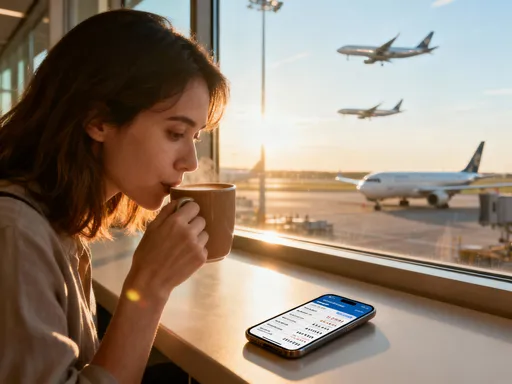
Imagine this: you’re sitting across from someone new at a cozy café, sunlight streaming through the window, coffee warming your hands. The conversation flows—until they casually say, “So, you live near Central Park?” Your heart skips. You never told them that. You don’t even remember adding your neighborhood to your profile. Yet here they are, knowing something deeply personal, something you didn’t mean to share.
This isn’t a scene from a spy movie. It happens every day to real people using real apps. And it’s not because someone hacked your phone or your date is a detective. It’s because of how dating apps quietly collect and sometimes reveal more than we realize. Location data, job titles, even the way your photos are tagged in the background—tiny digital breadcrumbs that, when pieced together, can paint a surprisingly detailed picture of your life.
I remember my own moment of realization. I matched with someone sweet, thoughtful, and we had great chats. But when we met, he mentioned my favorite brunch spot—two blocks from my apartment. I froze. I hadn’t listed it anywhere. Later, I dug into my app settings and discovered that my precise location was being used to suggest matches nearby. The app wasn’t malicious—it was just doing what it was designed to do. But I hadn’t understood what I was signing up for.
That moment changed how I think about online dating. It’s not about distrusting people or avoiding connection. It’s about recognizing that the tools we use to find love also collect pieces of our lives. And if we don’t pay attention, we might give away more than we intend. The emotional weight of feeling exposed—even slightly—can linger. It can make you guarded, hesitant, less open. But it doesn’t have to be that way. With a little awareness and a few smart choices, you can enjoy dating apps without feeling like you’re living in a glass house.
Most People Don’t Know What They’re Actually Sharing
Let’s be honest—when was the last time you read the terms and conditions before tapping “agree”? Most of us don’t. We’re excited to meet someone new, so we sign up fast, add a few photos, write a quick bio, and start swiping. But in that rush, we often miss what we’re actually handing over.
Dating apps collect more than just your name and age. They gather your location every time you open the app, even if you’re not actively looking. They track how long you look at someone’s profile, which photos you linger on, and whether you skip or like. Some apps connect to your social media, pulling in your Spotify playlists, Instagram posts, or even mutual friends. All of this helps the app “get to know you”—but it also creates a detailed profile that can be used in ways you might not expect.
Take job history, for example. You might list your current role to give potential matches a sense of your life. But that same detail can be used to infer your income level, work schedule, or even your education. One study found that people could be identified with surprising accuracy based on just a few data points—like job title, location, and age. It’s not about being tracked by a shady company. It’s about understanding that data, once shared, can be combined, analyzed, and reused.
And then there’s the ads. You’ve probably noticed that after using a dating app, you start seeing ads for weekend getaways, jewelry, or self-improvement courses. That’s not coincidence. Your behavior in the app—how often you swipe, what kind of profiles you like—tells advertisers what kind of person you are. They use that to target you with products they think you’ll buy. It’s not illegal, but it’s not always transparent either.
The good news? You don’t have to become a privacy expert to protect yourself. You just need to know what’s being collected and how to adjust the dials. Most apps have privacy settings hiding in plain sight—settings that let you decide what to share and what to keep private. It’s like putting curtains on your windows. You can still enjoy the view, but now you control who sees in.
The Simple Settings Switch That Blocks Unwanted Tracking
Here’s the truth: most of the data collection we worry about can be stopped with just a few taps. You don’t need special software or a degree in cybersecurity. You just need to know where to look. Let me walk you through it like I would with a friend over coffee.
First, open your dating app. Go to your profile, then tap the little gear icon—usually in the top corner. That’s your settings menu. Look for “Privacy” or “Account Privacy.” Inside, you’ll find options that control how much the app knows about you.
The first switch to flip is location. Many apps use “precise location” by default, which means they know exactly where you are, down to the street. But you don’t need that for matching. Instead, turn on “approximate location” or disable precise tracking altogether. This way, the app still shows you people nearby, but it doesn’t know your exact address or daily routine. It’s like saying, “I’m in the city,” without giving out your home address.
Next, find the “Ad Preferences” or “Data and Advertising” section. Here, you’ll likely see an option called “Limit Ad Tracking” or “Opt Out of Personalized Ads.” Turn it on. This doesn’t stop ads completely—free apps need to make money somehow—but it stops companies from building a profile of you based on your behavior. You’ll still see ads, but they won’t be as targeted. And that means less data being shared behind the scenes.
Another smart move? Disable social media linking unless you really want it. If you connected your Instagram or Spotify, the app might be pulling in your followers, recent posts, or listening habits. That’s fun for making your profile lively, but it also gives away more than you might realize. You can keep the fun parts—like sharing your favorite songs—without linking your accounts directly. Just manually add what you’re comfortable with.
These changes take less than five minutes. And once they’re done, you can use the app with more peace of mind. You’re still putting yourself out there, still open to connection. But now, you’re the one in charge of your story.
Photos Can Say More Than You Think
We’ve all done it—posted a photo without thinking twice. A selfie at the gym, a sunset from our balcony, a coffee cup with the shop’s logo in the background. They’re meant to show personality, spark conversation. But photos can reveal more than we intend.
Here’s how: most smartphones automatically add “geotags” to photos—the exact location where they were taken. Even if you don’t post your address, that gym photo might tell someone when and where you work out. Combine that with your job title and a few other details, and suddenly your routine is mapped out. I had a friend who realized, months later, that her photos were showing her home gym’s address. She hadn’t meant to share it. The phone just did it automatically.
Then there’s facial recognition. Some apps and even third-party tools can scan photos to identify people or locations. While most dating platforms don’t use this openly, the data is out there. Once a photo is uploaded, you can’t always control where it goes. That’s why it’s smart to be picky about what you share.
So what can you do? First, turn off geotagging in your phone settings. On iPhones, go to Settings > Privacy > Location Services > Camera and set it to “Never.” On Android, go to Camera > Settings > Location Tags and turn it off. This stops your phone from embedding location data in every photo.
Second, think before you post. Could that background reveal your building, your street, or your workplace? If so, crop it out or choose a different photo. Blurring out logos or signs is another easy trick. And consider waiting a few days before posting recent photos. A picture from last week is less likely to tell someone where you are right now.
I like to think of photos like postcards. You’d happily send one to someone you like—showing a pretty view or a fun moment. But you wouldn’t write your home address on the back. Treat your photos the same way. Let them show your smile, your style, your joy—but keep the private details private.
Social Media Links: The Hidden Data Bridge
Connecting your Instagram or Spotify can make your profile more vibrant. It shows your taste in music, your travel photos, your sense of humor. And it saves time—you don’t have to write everything out. But that convenience comes with a trade-off.
When you link your social accounts, you’re giving the dating app permission to pull in a lot of data. Not just what you post, but who you follow, who follows you, how often you post, and even when you’re online. Some apps use this to suggest matches with similar tastes. But that data can also be shared with third parties or used for advertising.
And here’s what many people don’t realize: your social media can reveal your network. If you’re connected to a mutual friend or coworker, that might show up—sometimes without your knowledge. I once met someone who recognized my sister from a tagged photo. I hadn’t approved that connection. The app did it automatically because of the link.
The good news? You can enjoy the fun parts without the risks. Instead of linking accounts, manually add your favorite songs, books, or travel spots to your bio. You’ll still show your personality, but you’ll keep your social media private. If you do want to link, check the app’s permissions. On most platforms, you can disconnect or limit access anytime in settings.
Think of it like sharing a playlist at a party. You can play your favorite songs without handing over your entire music library. You’re sharing the highlights, not the whole story. That’s the balance we’re going for—connection without overexposure.
When You’re Done: How to Delete Data for Good
So you’ve taken a break. Maybe you found someone special, or maybe you just need space. You close the app, stop swiping, and assume you’re off the grid. But here’s the thing: deactivating your account isn’t the same as deleting it.
Most apps keep your data—photos, messages, profile details—stored on their servers, even after you log out. They might say it’s for “account recovery” or “improving the service,” but that means your information is still there, just inactive. If you don’t take the next step, it could be accessed, analyzed, or even exposed in a data breach.
So how do you really leave? It takes a few extra steps, but it’s worth it. Go back into your account settings and look for “Delete Account” or “Permanently Remove Profile.” This option is often buried—sometimes under “Help” or “Support”—because apps want to keep you around. But it’s there.
Before you confirm, download a copy of your data if you want to keep it. Most apps let you do this under “Privacy” or “Your Data.” Then, follow the steps to delete. It might ask you to confirm twice, or send a verification email. That’s normal. Once it’s done, your profile is gone. Your photos are removed, your matches are cleared, and your data is wiped from their active systems.
Some companies keep anonymized data for research, but they’re not supposed to keep anything that identifies you. If you’re ever unsure, check the app’s privacy policy—or just search “[App Name] delete account” online. There are usually clear guides.
Deleting your account isn’t about regret. It’s about closure. It’s saying, “I was here, I tried, and now I’m moving on.” And when you do it the right way, you do it with peace of mind.
Staying Safe Doesn’t Mean Staying Closed Off
I used to think privacy and connection were opposites. If I wanted to meet someone real, I had to open up completely. But I’ve learned that’s not true. In fact, the opposite is closer to reality. When you protect your privacy, you actually create space for deeper, more authentic connection.
Think about it: when you’re worried about being watched or misunderstood, you hold back. You play it safe. But when you feel in control—when you know your boundaries are respected—you can relax. You can share what matters, when it feels right. That’s when real conversation happens. That’s when trust grows.
Privacy isn’t about hiding. It’s about choosing. It’s deciding which parts of your life to share, with whom, and when. It’s treating your story with care, because it’s yours. And when you do that, you attract people who respect that too.
I’ve had matches who appreciated that I was thoughtful about my profile. One guy even said, “I like that you’re careful. It shows you value yourself.” That moment stuck with me. Because that’s what this is really about—self-respect. When you set boundaries, you’re not pushing people away. You’re inviting them in, on your terms.
And that makes all the difference. You can still be warm, funny, open-hearted. You can still fall in love. But now, you’re doing it from a place of strength, not exposure.
Conclusion
Protecting your data isn’t about hiding—it’s about choosing who sees what, and when. With a few smart tweaks, you keep your story yours, while still opening your heart. That balance? That’s where real connection begins. You don’t have to give up love to stay safe. You don’t have to trade privacy for possibility. You can have both. And when you do, dating becomes not just safer, but more meaningful. Because when you feel secure, you can truly be yourself. And that’s the most attractive thing of all.