It’s Not Just About Alerts: How Travel Safety Tech Finally Made Trips Feel Calm
Traveling used to leave me anxious—missing updates, spotty check-ins, that nagging worry if loved ones were truly safe. But over the past few years, quietly and steadily, travel safety tools have reshaped how I move through the world. They didn’t just add features—they changed the feeling of traveling. No more guesswork, no more silence. Just simple, smart ways to stay connected, informed, and at ease—even when miles apart. It wasn’t about avoiding danger; it was about reclaiming peace. And for someone like me, a mom who travels for work and a daughter who still checks in on her aging parents, that peace is everything.
The Anxiety No One Talks About: When “I’m Fine” Wasn’t Enough
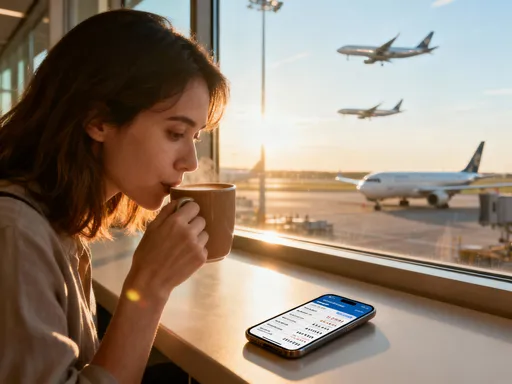
Let’s be honest—most of us don’t talk about the quiet stress of travel. Not the big fears, like getting lost or sick, but the slow, low hum of worry that follows every trip. I remember sitting in a delayed airport gate, phone battery at 12%, texting my sister, “Landed safely!” when I hadn’t even boarded. I did it because I knew she was watching her phone, waiting. I did it because saying “I’m fine” felt easier than explaining I was tired, overwhelmed, and stuck in a terminal with no coffee and no signal.
That moment wasn’t unique. For years, I treated travel communication like a performance. I’d send cheerful updates while mentally calculating time zones, signal strength, and how long I could stretch a dying battery. My family did the same. My mom would call just before her flight, voice tight, saying, “Just wanted you to know I’m leaving now,” as if pressing record on her own safety. We were all playing a role—reassuring each other while carrying invisible weight.
The real issue wasn’t danger. It was the emotional toll of uncertainty. We weren’t unsafe—we were unseen. And in that gap between “I’m fine” and what we really meant—“I’m handling it, but I’m not okay”—something had to change. I started wondering: what if technology could do more than just alert us in emergencies? What if it could help us feel connected, not just technically linked?
Discovering the Shift: From Panic Buttons to Peaceful Planning
I used to think travel safety tech was for extreme situations—panic buttons, emergency contacts, apps that screamed for help. And yes, those tools matter. But what I didn’t expect was how much comfort I’d find in the quiet, background features—the ones that don’t make noise, but make a difference.
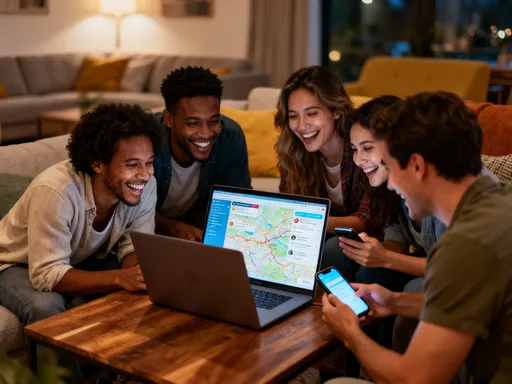
A few years ago, I downloaded a travel app not because I was afraid, but because a friend mentioned it helped her feel “lighter” on trips. I opened it skeptically. No flashing red buttons. No dramatic warnings. Instead, it offered things like automatic itinerary sync, real-time flight updates, and silent location sharing with trusted contacts. I set it up with my sister and my mom. I didn’t tell them much—just, “If you want to see where I am, you can.”
The first time I used it, I was on a train through the countryside. My phone was in my bag, not in my hand. No texts sent. But my sister later said, “I saw you were moving steadily, so I didn’t worry when you didn’t answer.” That hit me. I hadn’t done anything. No effort. No performance. And still, someone felt calm.
That’s when I realized: the evolution wasn’t about louder alarms. It was about quieter reassurance. These tools weren’t built for crisis—they were built for continuity. For the in-between moments. For the peace that comes not from reacting, but from knowing.
How Communication Became Effortless (and Why That Matters)
One of the biggest gifts of modern travel tech is how it removes friction. Before, staying in touch meant constant effort—typing updates, remembering time zones, guessing when someone might be worried. Now, it’s often automatic. And that shift? It’s not small. It’s transformative.
I remember a work trip last winter. I was in a back-to-back meeting schedule, barely checking my phone. My husband was home with our youngest, who had a fever. I felt torn—wanting to focus, but also wanting to reassure him I was okay. Then I realized: he already knew. The app showed my hotel location, my flight had landed on time, and my phone was active. He didn’t need me to say anything. “I saw you were settled,” he told me later. “So I didn’t text and pull you out of your day.”
That moment taught me something important: communication isn’t always about words. Sometimes, it’s about presence. And when technology can carry that presence for us—quietly, reliably—it frees us to be fully where we are. No more divided attention. No more guilt for being “off the grid” for an hour. Just trust, built on data, not drama.
It’s like having a quiet helper walking beside you, whispering, “They know you’re okay.” And in a world where we’re always expected to be available, that whisper is a kind of freedom.
Real Life, Real Changes: A Weekend Trip That Felt Different
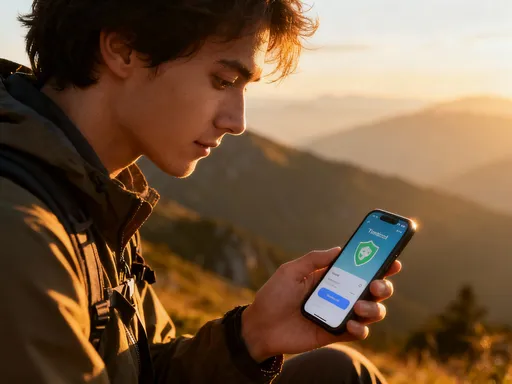
Last spring, I took a solo trip to the mountains—just two nights, hiking, journaling, recharging. In the past, this kind of trip would have come with strings: hourly check-ins, scheduled calls, my mom leaving three voicemails if I didn’t answer by 8 p.m. I loved her concern, but I also felt responsible for managing it.
This time, I tried something new. I used offline maps so I wouldn’t lose navigation in low-signal areas. I enabled background location sharing with my sister and my mom. I set up a simple check-in reminder for every 24 hours—just a tap to confirm I was safe, no typing needed. And I told my family, “If you want to see where I am, you can. But please don’t expect me to respond constantly. I’m here to rest.”
On the second day, I hiked deep into a forest trail. No signal. No texts sent. I was fully present—listening to birds, breathing fresh air, feeling my muscles work. When I finally got a signal hours later, I saw a message from my mom: “Saw you were moving again. So glad you’re okay.”
She hadn’t called. She hadn’t panicked. She’d just known. And in that knowing, she gave me something rare: space. I didn’t have to perform. I didn’t have to reassure. I could just be. That trip didn’t feel safer because nothing went wrong. It felt safer because I didn’t have to prove I was okay. The technology held the space I used to carry alone.
Beyond the Individual: How These Tools Strengthen Family Trust
What surprised me most wasn’t how the tools helped me—it was how they changed my family. My dad, who used to call the hotel front desk “just to make sure” I’d checked in, now checks an app instead. My sister, who once texted me 17 times during a five-hour flight, now says, “I saw your flight was delayed. Want me to reschedule your ride?”
The shift wasn’t just practical. It was emotional. We stopped asking, “Are you safe?” every time the phone rang. We started asking, “How was your day?” That small change—moving from fear-based questions to connection-based ones—has deepened our relationships. We’re not just checking boxes; we’re sharing lives.
For my aging parents, the peace of mind is especially meaningful. They don’t have to wonder if I made it to my hotel after a long flight. They can see—without calling, without disturbing me—that I’m settled. And that visibility reduces their anxiety, which in turn reduces mine. It’s a quiet cycle of care, supported by technology but rooted in love.
These tools didn’t replace our concern for each other. They simply organized it. Like a well-set table, they create the space for real connection to happen—without the noise of worry.
Learning to Use the Tools Without Becoming Dependent
Of course, it wasn’t all smooth at first. I’ll admit—I overdid it. I shared too much. I checked the app constantly, wondering if someone was watching me. I even felt a pang of guilt when I turned off location sharing for an hour to enjoy a tech-free hike. The irony wasn’t lost on me: a tool meant to reduce anxiety was, for a moment, feeding it.
But over time, I learned balance. I customized my settings so only meaningful updates went out—like arrival notifications or missed check-ins. I turned off real-time tracking except for trusted family. I reminded myself: this isn’t surveillance. It’s support.
I also had conversations with my loved ones. I told my mom, “You can see my location, but please don’t expect me to respond just because you see I’m moving.” I explained to my sister, “The alerts are for peace of mind, not for tracking my every step.” We set boundaries together—because trust isn’t just about access; it’s about respect.
Now, I use the tools like a seatbelt—there when I need them, invisible when I don’t. They’re part of my routine, not my obsession. And that balance—between connection and freedom, care and independence—is where true peace lives.
A New Kind of Confidence: Not Just Safer, But Freer
Today, I travel differently. Not because the world has changed, but because my relationship with it has. I’m not fearless—I still double-check my hotel address and keep a charged power bank in my bag. But the constant hum of worry? It’s quieter now. It’s been replaced by something better: a steady sense of calm.
These tools didn’t eliminate risk. No app can stop a storm or prevent a delay. But they changed how I carry those possibilities. Instead of imagining the worst, I feel prepared. Instead of feeling alone, I feel connected. And that shift—from anxiety to readiness—is everything.
I’ve taken more solo trips in the past year than ever before. I’ve said yes to last-minute opportunities, knowing I can stay in touch without effort. I’ve even encouraged my mom to travel more, setting up the same tools for her so I can breathe easier when she’s away.
Because here’s the truth: technology at its best doesn’t make us more dependent. It makes us more free. It gives us back time, attention, and emotional space. It lets us focus on the joy of travel—the new sights, the quiet moments, the growth that comes from stepping out—without being weighed down by worry.
So no, it’s not just about alerts. It’s about calm. It’s about trust. It’s about being able to say, “I’m fine,” and actually mean it—because you are. And for anyone who’s ever carried the quiet weight of travel anxiety, that’s not just a convenience. It’s a gift.