I don’t have time" was my excuse—until playlists taught me to learn while I live
We’ve all said it: “I’d love to learn something new, but I just don’t have the time.” Sound familiar? I used to say it every morning while packing lunches, answering work emails, and trying to remember if I’d brushed my own hair. It felt true—how could I possibly add one more thing? But then I realized something quiet and powerful: I wasn’t really out of time. I was just spending it in pieces—on autopilot, scrolling through random videos while waiting for the kettle to boil or the kids to finish their shoes. What if, instead of seeing those moments as lost, I could use them? What if the very tool I blamed for distraction—online video—could become my quietest teacher? That’s when I discovered the magic of learning in the gaps.
The Myth of "No Time"
Let’s be honest—"I don’t have time" isn’t always about the clock. It’s about feeling stretched too thin, like every minute is already spoken for. You wake up late, rush through breakfast, drop the kids at school, maybe squeeze in a call with your boss, and by lunch, you’re already tired. There’s no grand moment to sit down and "learn." But here’s the truth: learning doesn’t need a grand moment. It doesn’t need a classroom, a textbook, or even silence. What it does need is tiny openings—those 3-minute waits, the 10-minute walk, the 15 minutes while dinner simmers. These aren’t nothing. They’re pockets of potential.
I used to think that unless I could block out an hour, nothing would stick. But life doesn’t work that way—especially not for us, the ones holding everything together. The shift happened when I stopped looking for big chunks of time and started noticing the small ones. The truth is, we all have the same 24 hours. The difference is in how we use the fragments. And that’s where technology, when used with intention, stops being the enemy and starts becoming an ally. Online video platforms—yes, even the ones we often scroll through mindlessly—can be reshaped. They can become quiet classrooms that meet us where we are.
Think about it: how many times a day do you pick up your phone while waiting? For the microwave. For a reply. For the laundry to finish? Those moments add up—sometimes over an hour a day. What if, instead of watching random clips, you used just half of that to learn something small but meaningful? You wouldn’t need to "find" time. You’d simply redirect what you’re already doing. The myth of "no time" starts to fade when you realize you’ve had it all along—you just weren’t using it on purpose.
From Binge-Watching to Learning in the Gaps
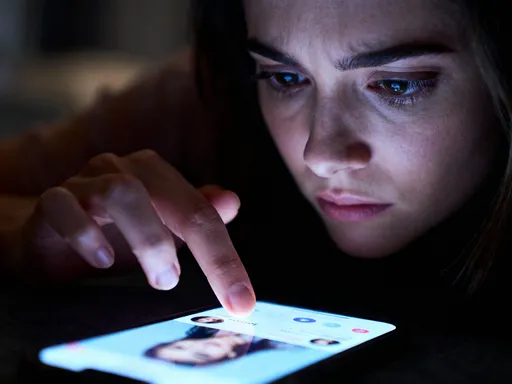
There was a time when my evening routine looked like this: dinner, dishes, kids to bed, then collapsing on the couch with my phone. One video led to another—funny pets, cooking fails, dance challenges. Harmless, right? But by the end, I’d feel strangely empty. No real rest, no real joy—just mental static. I wasn’t relaxing. I was numbing out. And I knew I wasn’t alone. So many of us turn to screens to unwind, but end up more drained than before.
Then I tried something different. I replaced one autoplay session with a short video on mindfulness. Just five minutes. It wasn’t about fixing anything—just learning how to breathe more slowly, how to notice when my shoulders were tight. The next night, I watched a quick lesson on saving for college funds. The night after, a tip on how to talk to kids about emotions. No pressure. No tests. Just tiny drops of knowledge. And slowly, something shifted. I wasn’t just passing time—I was filling it with things that mattered.
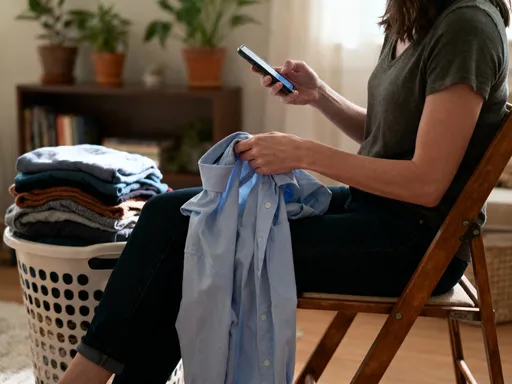
This is what I mean by learning in the gaps. It’s not about adding more to your day. It’s about using the spaces between things—the in-between moments—to grow without effort. Cooking dinner? That’s 20 minutes you could spend listening to a short video on nutrition. Folding laundry? Perfect time to learn a few phrases in Spanish. Driving to pick up the kids? Listen to a short talk on building confidence. These aren’t big commitments. They’re micro-moments of growth that fit into your life exactly as it is.
The key is switching from passive scrolling to intentional watching. Instead of letting the algorithm decide what you see, you take control. You choose the topics that align with your life—what you care about, what you want to get better at. And the tool that helps you do this? The playlist. That simple feature we often ignore. When used with care, a playlist becomes more than a list of videos—it becomes your personal growth soundtrack, ready whenever you have a spare moment.
Building Your Personal Knowledge Playlist
Creating a learning playlist isn’t about finding the "best" videos on the internet. It’s about finding the right ones for you—videos that speak to your real life, your real goals. I started by asking myself: What do I wish I knew more about? The answers surprised me. I wanted to feel calmer. I wanted to talk to my kids with more patience. I wanted to understand basic home repairs so I wouldn’t panic when the sink leaked. These weren’t academic goals. They were everyday needs.
So I built playlists around them. One called "Calm Mind, Clear Day" with short videos on breathing, journaling, and setting boundaries. Another, "Smart Money Moves," with lessons on budgeting, saving, and simple investing. I made one for cooking—"5-Ingredient Dinners"—and another for quick home fixes. Each playlist had only 5 to 10 videos, all under 10 minutes. I saved them in a folder on my phone, labeled clearly, so I could open one without thinking.
Here’s how you can start: pick one area of your life you’d like to improve. It could be as simple as "feeling more energy" or "being more present with my family." Then, search for short, trustworthy videos on that topic. Look for creators who speak clearly, without hype. Avoid anything that makes big promises or feels overwhelming. You’re not looking for a miracle. You’re looking for one small, useful idea.
Once you find a few good ones, add them to a playlist. Give it a name that feels warm and inviting—something like "Little Wins" or "Peace in 5 Minutes." Don’t aim for perfection. This isn’t a school project. It’s a tool for your life. Over time, you’ll add more videos, swap out ones that don’t resonate, and build a collection that feels like a quiet friend, always there when you need it. The beauty is, you don’t need to watch them all at once. You just open the playlist when you have a gap—and let learning happen naturally.
Turning Passive Viewing into Active Learning
Let’s be real—watching a video doesn’t mean you’ll remember it. We’ve all done it: watched something interesting, then forgotten it five minutes later. The difference between passive viewing and real learning? A tiny bit of engagement. You don’t need to take notes like a student. You don’t need to quiz yourself. But doing one small thing after each video can make the knowledge stick.
Here’s what works for me: after a video, I pause and ask myself, "What’s one thing I can use today?" Sometimes it’s as simple as trying a new way to organize the pantry. Other times, it’s repeating a phrase in a new language while I brush my teeth. I’ve started keeping a small notebook by my bed—just for one-sentence takeaways. "Today I learned: deep breathing helps when I feel overwhelmed." That’s it. No pressure. Just one line.
Another trick? Say it out loud. After watching a tip on talking to kids about feelings, I practiced saying it to myself: "I see you’re upset. Do you want to talk?" It felt silly at first, but when my daughter was crying later that day, the words came naturally. That’s the power of micro-practice—tiny actions that build real confidence.
You can also share it—right away. Text a friend: "Just learned a 3-minute meditation—want the link?" Or tell your partner over dinner: "There’s a simple way to unclog a drain—no chemicals needed." The act of sharing makes the idea stronger in your mind. It turns knowledge into something alive, something you own. Over time, these small habits—pausing, writing, speaking, sharing—turn watching into real learning. You’re not just consuming. You’re becoming.
Knowledge That Sticks: How Short Videos Build Long-Term Growth
You might wonder: can short videos really lead to real learning? Aren’t they too quick, too shallow? I used to think so. But science shows something beautiful—our brains don’t need long lectures to learn. They need consistency. Repetition. Gentle exposure over time. Think of it like watering a plant. One big pour won’t help. But a little every day? That’s how growth happens.
Short videos work the same way. When you watch a 5-minute lesson today, and another tomorrow, and revisit one from last week, something quiet begins to settle in your mind. You start to recognize patterns. You connect ideas. You remember more. This is called spaced repetition—and it’s one of the most powerful ways to learn, proven by research. The brain loves small, regular input. It doesn’t care if the lesson came from a university or a well-made video online. It just needs clarity and repetition.
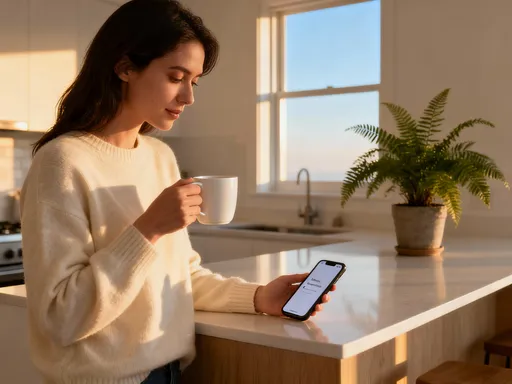
That’s why I don’t worry about watching "enough." I focus on showing up, even for a few minutes. Some days, I only watch one video. Others, I skip it. But over weeks and months, the learning adds up. I didn’t realize how much I’d absorbed until a friend asked how I’d gotten calmer lately. I thought about it—and realized it was the small videos on mindfulness I’d been watching during breakfast prep. I hadn’t changed my life in one big leap. I’d grown in whispers.
And here’s the best part: this kind of learning doesn’t burn you out. It doesn’t feel like work. Because it’s woven into your day, it feels natural. You’re not forcing yourself to "be productive." You’re simply letting knowledge seep in, like sunlight through a window. Over time, you’ll notice it—in the way you speak, the choices you make, the calm you carry. You’re not trying harder. You’re learning softer.
Sharing What You Learn: Strengthening Connections
One of the most unexpected joys of this journey has been how my learning has brought me closer to the people I love. It started small. I shared a quick recipe hack with my sister—how to make smoothies that keep kids full longer. She tried it and texted back: "My picky eater actually ate it!" That little win felt huge.
Then I told my husband about a video on simple home maintenance—how to check for water leaks early. He rolled his eyes at first, but two days later, he found a small drip under the sink and fixed it before it became a mess. "Your video saved us a plumber visit," he said. It wasn’t just about the fix. It was about feeling capable—together.
With my kids, I started sharing fun facts. "Did you know honey never spoils?" My youngest asked for the "honey video." We watched it together. Later, he told his teacher, who put it on the classroom board. That moment—when my learning became his pride—meant more than any certificate ever could.
Learning in isolation is valuable. But when you share it, it becomes relational. It sparks conversations. It builds trust. It shows your family and friends that you’re growing—not to impress them, but to be a better version of yourself. And often, they start their own playlists. My neighbor now has a "Garden Smarts" list. My coworker made a "Work-Life Balance" folder. We swap links like recipes. It’s not about being experts. It’s about being curious—together. And in a world that often feels divided, that kind of quiet connection is its own kind of magic.
A Smarter, Calmer You—Without Trying Harder
Looking back, I realize I didn’t need more time. I needed a different relationship with the time I already had. I stopped waiting for the "perfect moment" to learn—because it never comes. Instead, I started using the imperfect ones. The messy, interrupted, in-between moments became my classroom. And the teacher? A simple playlist, filled with short, kind videos that met me where I was.
This isn’t about becoming someone else. It’s about becoming more of who you already are. More patient. More informed. More at peace. You don’t need to change your schedule. You don’t need to download a complicated app or sign up for a course. You just need to redirect a few minutes a day—toward something that feeds your mind and heart.
Technology often gets blamed for pulling us away from what matters. But it doesn’t have to. When used with care, it can bring us closer—to knowledge, to growth, to each other. The videos themselves aren’t magic. The magic is in the choice—to learn, even in the cracks. To grow, without pressure. To become a little wiser, a little calmer, a little more you—just by watching with purpose.
So the next time you pick up your phone while waiting, ask yourself: could this moment be more than just a pause? Could it be a whisper of growth? You don’t need more time. You just need a playlist—and the quiet belief that you’re worth learning for. Because you are. And the life you’re living? It’s the perfect place to begin.