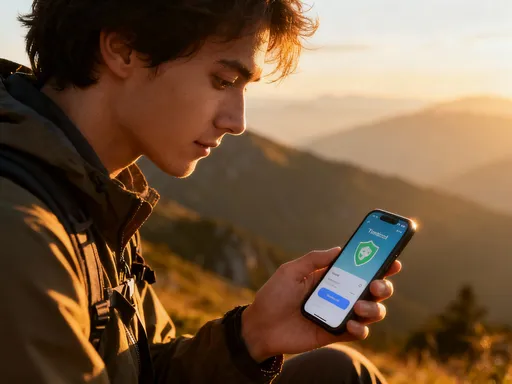
Why are you still planning trips alone when friends can make it effortless together online?
Imagine this: you’re scrolling through photos of a dream destination, craving adventure—but the thought of planning every detail drains your energy before you even begin. What if you could turn that solo stress into shared excitement? With the right online tools, you and your friends can collaborate seamlessly, turning travel dreams into reality without the overwhelm. It’s not just about where you go—it’s about who you bring along, even when you’re apart. That little spark of wanderlust doesn’t have to fade under the weight of spreadsheets and time zone differences. In fact, planning a trip can become one of the most joyful parts of the journey, especially when you’re not doing it alone.
The Overwhelm of Solo Trip Planning
Let’s be honest—how many times have you fallen down a travel inspiration rabbit hole, only to close your laptop with a sigh, thinking, "This would be amazing… if only someone else could handle the planning?" You're not alone. So many of us dream big but get stuck in the details. Picking the perfect destination, comparing hotel prices, checking flight times, reading endless reviews, coordinating dates that work for everyone—before you know it, the joy of travel has turned into a second job. And when you're already juggling work deadlines, school pickups, or household responsibilities, that second job feels impossible.
I remember last summer when I was determined to plan a weekend escape to the mountains. I spent three evenings just researching cabins, only to realize none allowed pets—my dog is part of the family! By the time I found pet-friendly options, my ideal dates were fully booked. I gave up, telling myself, "Maybe next year." But the truth? I didn’t give up because of timing or money. I gave up because I was doing it all by myself. The mental load was just too heavy. And that’s the hidden cost of solo trip planning: it doesn’t just take time. It takes emotional energy. It chips away at your excitement until all that’s left is exhaustion.
What if we didn’t have to carry that weight alone? What if, instead of hiding in the glow of our screens, overwhelmed and isolated, we could share the load with the people who matter most? That’s where technology steps in—not to replace real connection, but to make it easier, closer, and more joyful.
How Online Communities Turn Isolation into Connection
Think about the last time you sent a travel photo to a friend with a message like, "Wouldn’t this be amazing?" And they replied, "YES! Let’s go!" Then… nothing happened. Sound familiar? That moment of shared excitement often fizzles because there’s no clear next step. But what if that text thread could become a living, breathing travel plan—with everyone contributing, commenting, and feeling involved?
That’s exactly what’s possible now. With private online groups and shared digital workspaces, friends can collaborate in real time, no matter where they live. Whether you’re in California and your best friend is in Maine, or your sister’s across the country raising kids just like you, technology bridges the gap. Platforms like shared Google Docs, private Facebook groups, or simple messaging apps like WhatsApp allow you to create a dedicated space for your trip planning. No more lost texts, no more forgotten ideas—just a central hub where everyone can jump in when they have time.
Take my friend Lisa and her group of college roommates. Every year, they talk about reuniting for a beach trip. For years, it was just talk. Then last spring, Lisa created a private group chat and said, "Let’s stop dreaming and start doing. Drop your top three destinations." Within hours, ideas poured in—Hilton Head, Outer Banks, Santa Barbara. They used a free polling tool to vote, and just like that, Santa Barbara won. Someone shared a link to a vacation rental with ocean views. Another found a dog-friendly hiking trail. The energy shifted from "someday" to "this is actually happening." And the best part? No one felt overwhelmed. Everyone contributed a little, and the excitement grew with every message.
This is the quiet revolution happening in friendship: we’re learning how to stay close, even when life pulls us apart. And it starts with something as simple as a shared plan.
Turning Ideas into Action—Together
So you’ve picked a destination. Great! But now comes the part that usually kills momentum: the logistics. Who books the place? Who handles transportation? How do you split costs fairly? This is where most group trips fall apart—not because people don’t care, but because no one wants to take the lead. But what if you didn’t have to?
The key is breaking the work into small, shared tasks. Instead of one person doing everything, each friend takes on a piece that fits their strengths and schedule. And the right tools make this effortless. Shared to-do lists, like those in Google Keep or Trello, let you assign tasks with deadlines. One person researches flights, another compares rental homes, a third looks into local activities. You can even use a shared budget tracker—something as simple as a Google Sheet where everyone logs their contributions. No more awkward money talks later. No more "I paid for the Airbnb—when are you sending me your half?"
Let me tell you about how my cousin Maria and her sisters planned their family reunion in Asheville. They created a shared document with four sections: accommodations, transportation, meals, and activities. Each sister claimed one area. Maria, who loves food, took charge of finding local restaurants and even planned a Sunday brunch at a farm-to-table spot she discovered online. Her sister Elena, who’s great with numbers, set up a budget tracker and sent gentle reminders when it was time to pay. They used a shared calendar to block off dates and sent fun updates like "Found a cabin with a hot tub!" or "Blueberry picking is in season—adding it to the list!"
The result? A trip that felt effortless to plan—and even more joyful to experience. Because each of them had a stake in it, they were more excited, more present, and more connected. And that’s the magic of collaboration: when everyone has a role, no one feels burdened, and everyone feels valued.
The Emotional Reward of Shared Planning
Here’s something no one talks about enough: the planning process itself can be one of the most meaningful parts of a trip. Think about it. Those late-night messages about dream destinations, the inside jokes about “no more airport food,” the shared triumph of finding a last-minute deal—that’s not just logistics. That’s connection. That’s friendship in action.
When you plan together, you’re not just organizing a getaway. You’re building memories before you even leave. A simple message like "I found a winery with live music—adding it to the list!" can spark a whole conversation. You start imagining the moment: glasses raised, laughter under string lights, the perfect playlist in the background. Those little moments of anticipation? They’re emotional fuel. They keep the excitement alive, especially when life gets busy.
And for friends who live far apart or are in different life stages—say, one’s retired, another’s raising toddlers, another’s caring for aging parents—this kind of digital collaboration becomes even more precious. It’s not about replacing in-person time. It’s about creating a rhythm of closeness that fits real life. You don’t need hours on the phone. A quick update, a shared link, a funny meme about packing—these small digital gestures keep your bond strong.
I’ll never forget when my friend Jen was going through a tough time after her mom passed. She wasn’t up for big plans, but her friends gently included her in their trip chat for a lakeside cabin. They asked her to pick the board games. She didn’t contribute much, but just seeing the messages, the photos, the planning unfold—it made her feel connected. Later, she told us, "Just being part of it helped me feel like myself again." That’s the power of shared planning. It’s not just about the destination. It’s about belonging.
Practical Tips for Starting Your Own Collaboration
Now, I know what some of you might be thinking: "This sounds great, but my friends are busy. What if no one responds?" Or, "What if we can’t agree on anything?" These are real concerns, and the good news is, they’re totally normal. The key is to start small, keep it light, and make it easy for everyone to participate.
First, choose the right platform. If your group already has a WhatsApp chat, use that. If not, a simple email thread or private Facebook group works just fine. Don’t overcomplicate it. The goal is accessibility, not perfection. Next, set a gentle tone. Instead of saying, "We need to plan this trip NOW," try something like, "I’ve been dreaming of a cozy fall getaway—anyone else feel like escaping for a weekend?" Leave room for people to dip in and out without pressure.
Assign small, low-effort tasks. Ask one friend to research pet-friendly rentals, another to find scenic drives, another to pick a playlist. Make it fun, not mandatory. And if someone says, "I’m too busy right now," that’s okay. Respond with kindness: "No worries at all—just keep an eye on the chat if you want to jump in later. We’d love to have you." This isn’t about guilt or obligation. It’s about invitation.
Finally, celebrate every step. Found a great deal? Share it with a little celebration emoji. Picked a date? Send a "We’re really doing this!" message. These small moments of recognition keep the energy high and remind everyone that this is supposed to be fun.
When Tech Meets Trust—Building Deeper Friendships
Technology makes collaboration possible, but trust makes it meaningful. Think about it: when someone says, "I’ll look into flights," and they actually do it, that’s trust in action. When a friend sends a budget update without being asked, that’s reliability. These small digital actions build something much bigger: a sense of mutual care.
In our busy lives, it’s easy to assume our friends are too overwhelmed to help. But when we give them a simple way to contribute—like checking a box on a shared list or dropping a link in a chat—we’re also giving them a chance to show up for us. And that strengthens the relationship in ways we don’t always notice right away.
Take my friend group of five—we’ve known each other for over 20 years. Life has scattered us across three states, and we don’t talk every week. But every time we plan a trip, something shifts. The person who’s usually quiet takes charge of finding hiking trails. The one who’s always late somehow remembers every deadline. We see each other in a new light—not just as the friend who complains about work or worries about her kids, but as someone who shows up, contributes, and cares.
That’s the deeper gift of collaborative planning: it reminds us that we’re not alone. It rebuilds intimacy in a world that often feels disconnected. And it proves that friendship isn’t just about shared history. It’s about shared effort, shared joy, and shared responsibility.
Beyond the Trip—A New Way to Live Together, Apart
Here’s the beautiful truth: once you start collaborating online with your friends, you’ll wonder why you didn’t do it sooner. And you might not stop at travel. My group started a virtual book club using the same shared document we used for our trip. We pick a book each month, set reading goals, and share thoughts in the chat. Another friend started a holiday gift swap—everyone draws a name, shops online, and ships directly. No more last-minute panic, no more forgotten presents.
Some groups use these tools for fitness challenges—tracking steps, sharing healthy recipes, cheering each other on. Others plan surprise celebrations, like a virtual birthday party with a shared slideshow of memories. The possibilities are endless, and the thread that ties them all together is simple: connection through collaboration.
Technology doesn’t replace face-to-face time. But it prepares for it. It builds anticipation. It keeps relationships alive between visits. And when you finally reunite—whether it’s at a beach house, a mountain cabin, or just a coffee shop downtown—the bond feels stronger because you’ve already done something meaningful together.
So here’s my invitation to you: don’t let another dream trip fade into "maybe someday." Reach out to that friend you haven’t talked to in a while. Start a simple chat. Say, "I’ve been thinking—what if we finally took that trip to the coast?" Use the tools you already have. Keep it light. Let everyone contribute in their own way. And let the process become part of the joy.
Because the truth is, life is busy. We’re all juggling more than we can carry. But we don’t have to do it alone. With a little tech and a lot of heart, we can plan, connect, and create memories—together, even when we’re apart. And that? That’s not just smart planning. That’s meaningful living.